GLP-1 and Exercise: Why Workouts Feel Different
Workouts feel different on a GLP-1. Here's what changes — energy, fuel, muscle — and how to train so the weight you lose isn't mostly muscle.
May 8, 2026 · 7 min read · By GLP-FAQ Editors
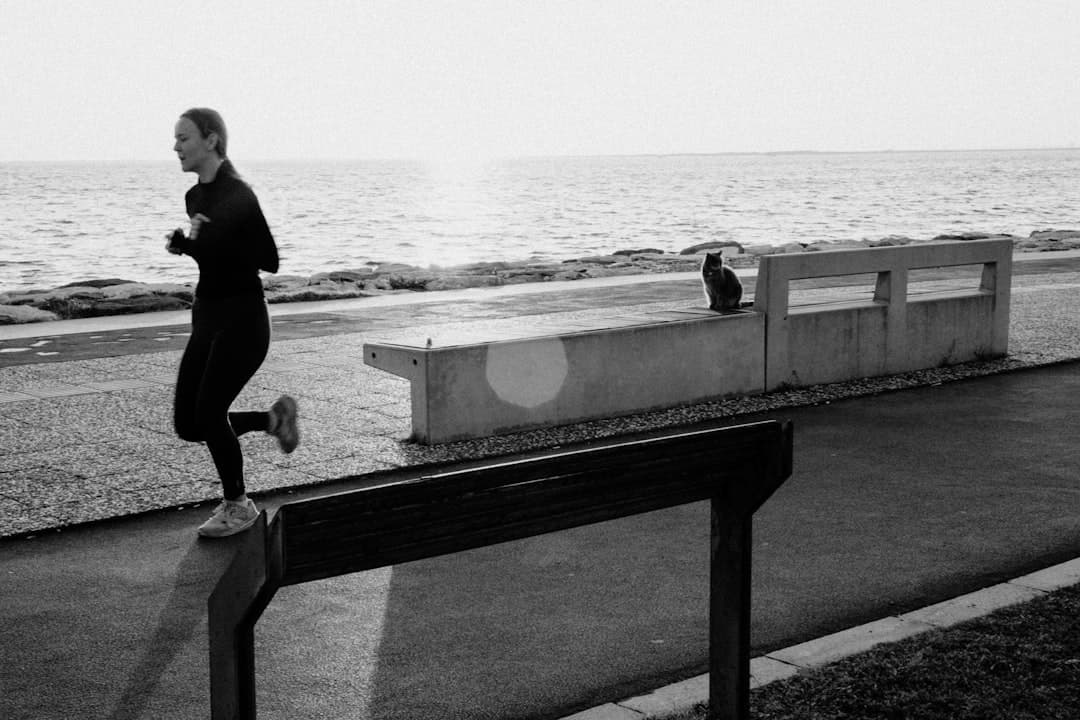
The first time you try a hard workout on a GLP-1, you'll probably notice something is off. The barbell feels heavier than it should. The mile run feels like a 5K. You're not eating enough, and you can't seem to fix it because food still doesn't sound appealing.
Exercise on GLP-1 medication is genuinely different — not impossible, not necessarily worse, but different in ways that matter if you want to come out the other side with most of your strength intact. The same drugs that quiet "food noise" also quiet some of the hunger and fueling cues that drive performance. And the same dramatic weight loss that gets people excited about semaglutide and tirzepatide comes with a less-discussed catch: a chunk of what's leaving is muscle, and how you train decides how big that chunk gets.
This is the playbook we wish someone had handed us.
Three things change when you start exercising on a GLP-1
Most people focus on the weight on the scale. The interesting changes are happening underneath.
1. Available fuel drops. GLP-1s slow gastric emptying — meals sit in your stomach longer, and you eat smaller portions overall. That means less glycogen on board for the workout you're about to do. Glycogen is your muscles' preferred fast fuel for anything intense. When tanks are low, the same set feels harder.
2. Appetite cues are blunted. The hormone signaling that normally says "you burned 500 calories, eat" is dampened. You can finish a long run, feel mildly nauseated rather than ravenous, and unintentionally end the day in a deep deficit you didn't plan for.
3. Hydration drifts. Lower food intake means less water from food, plus some users report drinking less out of habit. Mild dehydration alone can make a workout feel 10–20% harder.
None of these are reasons to skip exercise. They're reasons to plan around them — which most people don't, until something starts breaking.
The muscle problem nobody warns you about
Here's the part that should get more attention than it does. In the STEP-1 trial (semaglutide 2.4 mg), participants lost an average of 14.9% of body weight over 68 weeks. In SURMOUNT-1 (tirzepatide), the highest dose reached around 22%. Those are big numbers — bariatric-surgery numbers.
But weight isn't fat. When you lose weight rapidly, somewhere between 20% and 40% of what comes off can be lean tissue: muscle, water, and a little bone. The exact percentage depends on:
- How fast you're losing. Faster = more lean loss.
- How much protein you eat. Less protein = more lean loss.
- Whether you do resistance training. No resistance = more lean loss.
You cannot control the first one perfectly — GLP-1s set their own pace. You can absolutely control the second two. People who do tend to come out of a year on semaglutide or tirzepatide leaner and stronger. People who don't tend to come out smaller, softer, and more easily fatigued.
For a deeper look at how weight loss actually progresses on these drugs, our weight-loss timeline cluster has month-by-month expectations.
Cardio on a GLP-1: what to expect
Cardio is where most people first feel the shift. A typical pattern:
- Weeks 1–4 (low dose): Almost nothing changes. You can train as you always have.
- Weeks 5–12 (titrating up): Workouts feel slightly heavier. Your easy pace is now a moderate pace. Long runs may need fueling you didn't need before.
- Maintenance dose: A new normal. You learn what your body actually has on a given day.
Some specific patterns we hear about:
- Cooler workouts feel better. Heat tolerance drops slightly when you're running on lower glycogen. Early-morning or evening sessions tend to feel best.
- Long sessions need real fuel. Anything over 60–75 minutes — long runs, long rides — usually requires actual carbohydrate intake during the workout (gels, sports drinks, real food). Skipping fuel here is the fastest way to bonk.
- The next day matters more. Recovery seems to need more deliberate attention. Protein-forward dinner, hydration, a real sleep window.
Our side-effects pillar goes deeper on the GI piece — nausea, slow digestion, and the timing tricks that prevent mid-workout discomfort.
Strength training: arguably more important than ever
If cardio is the visible part of fitness, strength training is the part doing the real work on a GLP-1 — because it's the most direct lever you have on muscle preservation.
The rough rule of thumb: 2–4 resistance training sessions per week, hitting all major muscle groups, with weights heavy enough that you're approaching failure in the working sets. That's it. It doesn't have to be CrossFit or a powerlifting program. A simple full-body routine done consistently does most of the work.
A practical weekly template:
| Day | Focus | Sessions |
|---|---|---|
| Mon | Lower body (squat, deadlift, lunge) | 1 strength |
| Tue | Easy cardio (walk, easy bike) | 1 cardio |
| Wed | Upper body (press, row, pull-up) | 1 strength |
| Thu | Rest or mobility | — |
| Fri | Full body (compound + accessories) | 1 strength |
| Sat | Longer cardio (run, ride, hike) | 1 cardio |
| Sun | Rest | — |
Three strength sessions, two cardio sessions, two rest days. That structure preserves more muscle than the inverse — five cardio days and one strength day — even at the same total exercise time.
For users on tirzepatide who tend to lose weight faster, this becomes more urgent. The SURMOUNT trial breakdown shows just how aggressive the weight curve can get.
The protein floor
You cannot out-train a low-protein diet. On GLP-1s, where total food intake is lower by design, protein has to make up a higher percentage of what you do eat or you'll lose more muscle than necessary.
Practical targets most clinicians recommend for GLP-1 users in active weight loss:
- Minimum: 0.7 g of protein per pound of goal body weight per day
- Better: 0.8–1.0 g per pound of goal body weight per day
For a 180 lb person aiming for 160 lb, that's about 128–160 grams of protein daily. Hitting that on a 1,400-calorie GLP-1 day requires intentional planning — protein-first meals, Greek yogurt or cottage cheese as snacks, and yes, often a protein shake or two.
Hydration matters too. The standard "half your body weight in ounces" guideline (so ~90 oz for a 180 lb person) is a reasonable floor. Many users notice their workouts feel meaningfully better when they hit that consistently versus when they don't.
Red flags worth taking seriously
A normal "today felt heavy" workout day is not a red flag. These are:
- Lightheadedness or near-fainting during or right after exercise. Often a fueling/hydration issue, occasionally a blood pressure issue worth a clinician check.
- Dramatic strength drops workout to workout. If you can't squat what you squatted last month and the gap is widening, you're under-fueling, under-protein-ing, or both.
- Persistent muscle soreness that doesn't resolve in 2–3 days. Recovery capacity is reduced when you're in a deep deficit.
- Resting heart rate climbing week over week. A reliable signal that recovery isn't keeping up.
If any of these show up, the answer is rarely "train harder" — it's usually eat more (especially protein), drink more, and sleep more before pushing intensity again.
What to actually do this week
You don't need a special program. You need three habits stacked together:
- Lift weights at least twice a week. Compound movements, full body, push close to failure on the working sets.
- Hit a real protein number daily. Start tracking for a week so you know where you actually land — most people are 30–50 grams short of where they think they are.
- Hydrate deliberately. A bottle on your desk you finish twice a day is more reliable than "drink water when thirsty," because thirst signaling is also blunted by GLP-1s.
The people who exercise consistently on a GLP-1 — even imperfectly, even just walking and lifting — come out of a year of treatment looking and feeling completely different from the people who didn't. The drug does the appetite work. Training does the body-composition work. Both matter.
Related reading
Free weekly newsletter
Get the GLP-1 highlights, weekly.
One short email a week — new FAQs, trial readouts, supply updates, and dosing tips. Plain-English, no spam.
Unsubscribe anytime. We never share your email.