Will I gain the weight back after stopping retatrutide?
Almost certainly yes — the class pattern is clear. Retatrutide doesn't cure obesity; it manages it. Here's what to expect and how to plan for it.
Updated May 27, 2026 · 4 min read
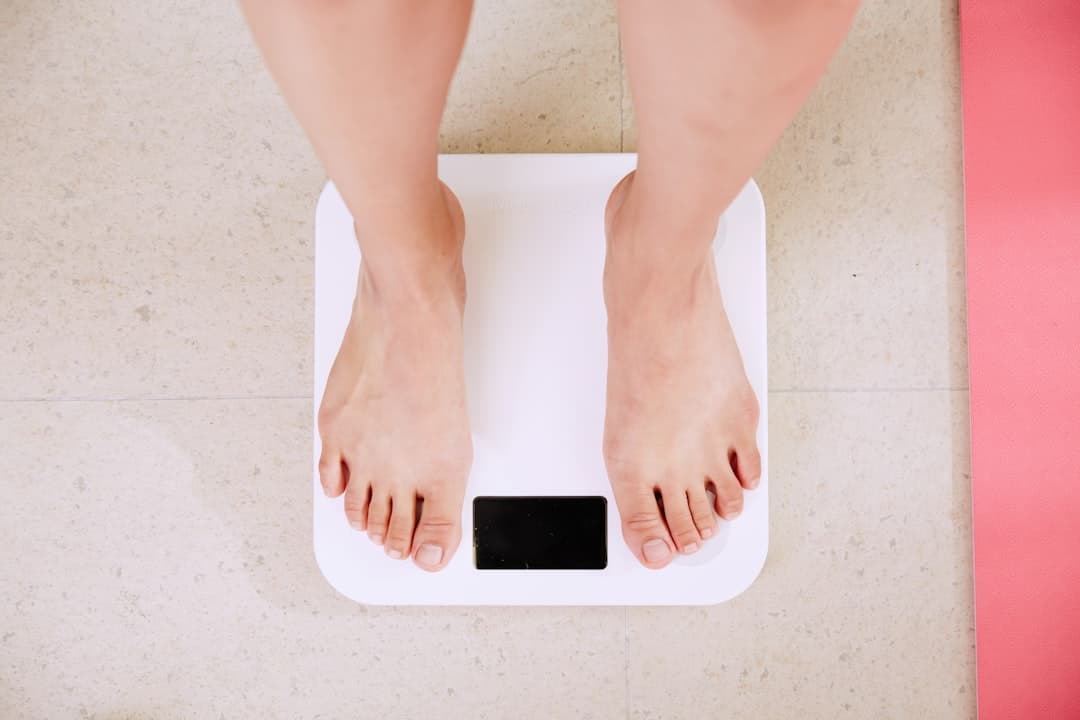
Almost certainly yes — and the amount regained tends to be substantial. This isn't a retatrutide-specific problem; it's a GLP-1 class pattern. The drugs work by pharmacologically modifying hunger signaling, gastric emptying, and energy balance. When you stop the drug, those modifications stop too, and the biology that defended your higher weight starts asserting itself again. Retatrutide is not expected to be an exception.
What the class data tells us
Retatrutide's Phase 3 TRIUMPH trials are still ongoing as of this writing, so retatrutide-specific discontinuation data is not yet published. But the pattern from the broader class is consistent enough that it's reasonable to extrapolate.
Semaglutide (STEP 4 extension): Participants who lost ~17% of body weight on semaglutide and then switched to placebo regained approximately two-thirds of that loss over the following 52 weeks — ending up about 5–6% below their original baseline. Almost all of the metabolic improvements (blood pressure, cholesterol, waist circumference) also partially reversed.
Tirzepatide: Discontinuation data from the SURMOUNT trials shows a similar pattern — regain begins within weeks of stopping, proceeds rapidly in the first few months, and continues more gradually after that.
The mechanism is straightforward: GLP-1 receptor agonists reduce appetite and food intake by pharmacologically signaling "full" and quieting food preoccupation. Once the drug clears, appetite returns. For most people, this isn't a return to "normal" baseline — it feels like a return of hunger, often more intense than before, as the body compensates for the deficit.
Why retatrutide regain might be different (not necessarily better)
Retatrutide produces larger initial weight loss than semaglutide or tirzepatide — roughly 24% vs 15–22%. This could cut two ways:
Potentially more to regain. If you've lost 24% of body weight rather than 15%, and regain two-thirds of the loss (as the semaglutide data suggests), the absolute amount of weight returning is larger.
Potentially more durable metabolic benefit. Larger initial weight loss is associated with greater improvements in cardiometabolic markers. Some of those improvements — particularly changes in liver fat, insulin sensitivity, and vascular function — may persist somewhat beyond the weight regain itself, though they do tend to reverse over time as weight returns.
What seems unlikely to be true: that retatrutide's triple mechanism confers some special durability after stopping that the other agents don't have. The glucagon receptor effects, like the GLP-1 effects, are pharmacodynamic — they require the drug to be present. There's no known mechanism by which retatrutide would "reprogram" metabolism in a way that persists long-term after discontinuation.
Practical expectations if you stop
| Timeframe | Typical pattern |
|---|---|
| Weeks 1–4 | Appetite increases noticeably; weight starts to creep up |
| Months 1–3 | Faster regain; metabolic improvements begin to reverse |
| Months 3–12 | Continued regain, gradually slowing |
| 12+ months | Most studies show stabilization at a level still somewhat below original baseline, but well above lowest weight |
This isn't inevitable — individual variation is real, and people who successfully use the medication period to build durable lifestyle habits (particularly around activity and dietary patterns) tend to regain less. But it's unwise to assume you'll be the exception. The data says most people regain significantly.
Why this doesn't mean the drug "didn't work"
This framing matters. Obesity is a chronic disease, and GLP-1 class medications are chronic disease treatments. The comparison isn't "drug vs. nothing"; it's "continued treatment vs. stopping treatment."
A useful analogy: blood pressure medication works while you take it. If you stop, blood pressure typically returns. We don't say the medication "failed" when that happens — we say it was treating an ongoing condition, and the condition is still there.
The same logic applies to GLP-1 treatments. Retatrutide will likely work very well while you take it. What it probably won't do is permanently change the biological set point that makes obesity a chronic, relapsing condition for most people.
What about tapering?
The evidence on tapering to reduce regain velocity is thin. Some clinicians advocate a gradual dose reduction rather than abrupt discontinuation — the theory being a smoother return of appetite. There's currently no strong RCT data supporting this approach, and it hasn't been formally studied with retatrutide. If you're planning to stop, discuss the approach with your prescriber.
The alternatives to stopping entirely
If you're considering stopping due to cost, side effects, or logistical factors rather than a preference to discontinue:
- Dose reduction to a lower maintenance dose may preserve meaningful benefit with reduced side effects or cost
- Switching to a different GLP-1 agent (particularly if cost is the driver, e.g., moving to a compounded option once one is available)
- "Drug holidays" with planned restart — the data is limited but some users cycle on and off with partial retention of benefit; this is not standard of care
For more on what stopping GLP-1 medications looks like, see stopping semaglutide: what the data says — retatrutide is expected to follow the same pattern. The weight regain after stopping GLP-1s page covers the biology of why regain happens.